Maximize Your Sleep Quality: The Hidden Benefits of Regularly Rotating Your Mattress
- stefanie
- Feb 26
- 3 min read
Getting a good night’s sleep depends on many factors, but one simple habit often overlooked is rotating your mattress regularly. While it might seem like an extra chore, turning your mattress can significantly improve your comfort, extend its life, and even save you money. This post explains why rotating your mattress matters, how to do it whether you sleep alone or with a partner, and where this practice is most common around the world.

Why Rotating Your Mattress Matters for Your Sleep Quality
Mattresses do not wear evenly. Over time, the areas where you spend the most time—usually where your head, shoulders, hips, and feet rest—start to compress. This uneven wear can cause discomfort, poor support, and even pain. Rotating your mattress helps distribute your weight more evenly across the surface, preventing deep indentations and sagging.
Benefits of rotating your mattress regularly include:
Improved comfort: Even wear means your mattress maintains consistent support, reducing pressure points.
Better sleep quality: A well-supported body helps you fall asleep faster and stay asleep longer.
Extended mattress life: Rotating slows down wear and tear, delaying the need to replace your mattress.
Cost savings: By extending your mattress’s lifespan, you avoid the expense of buying a new one prematurely.
Research shows that a mattress can lose up to 25% of its support in just a few years if not rotated or flipped. This loss affects spinal alignment and overall sleep quality. Rotating your mattress every three to six months keeps it in better shape and your body better supported.
How to Rotate Your Mattress Alone or With a Partner
Rotating a mattress might sound difficult, especially if you sleep on a large or heavy one. However, there are practical ways to make it manageable whether you’re doing it solo or with help.
Rotating as One Person
Clear the bed: Remove all bedding and pillows.
Stand on one side: Grasp the mattress firmly on the sides.
Lift and turn: Lift the mattress slightly and rotate it 180 degrees so the head becomes the foot.
Use tools if needed: Furniture sliders or a mattress handle can make lifting easier.
Take breaks: If the mattress is heavy, rotate it in stages rather than all at once.
Rotating with Two People
Coordinate your movements: Both people should lift the mattress from opposite sides.
Lift and rotate: Together, lift and turn the mattress 180 degrees.
Communicate: Make sure to coordinate timing and movements to avoid injury or damage.
Use a bed frame with wheels: This can make the process smoother.
Rotating is different from flipping. Many modern mattresses are one-sided and should not be flipped, only rotated. Check your mattress care instructions before flipping.
Where Do People Rotate Their Mattresses Most?
Rotating mattresses is a common practice in many countries, especially where people invest in higher-quality bedding and prioritize sleep health.
United States: Mattress rotation is widely recommended by sleep experts and mattress manufacturers. Many American households rotate mattresses regularly to maintain comfort and durability.
Japan: Known for its focus on minimalism and health, many Japanese people rotate futons and mattresses to keep them fresh and supportive.
Scandinavian countries: In places like Sweden and Norway, where cold climates demand good sleep quality, rotating mattresses is a common habit to ensure warmth and comfort.
Germany: German consumers often follow manufacturer guidelines strictly, including mattress rotation, to maximize product lifespan.
In contrast, in some regions where mattresses are replaced more frequently or lower-cost models are common, rotation is less practiced. However, as awareness of sleep quality grows worldwide, more people are adopting this simple habit.
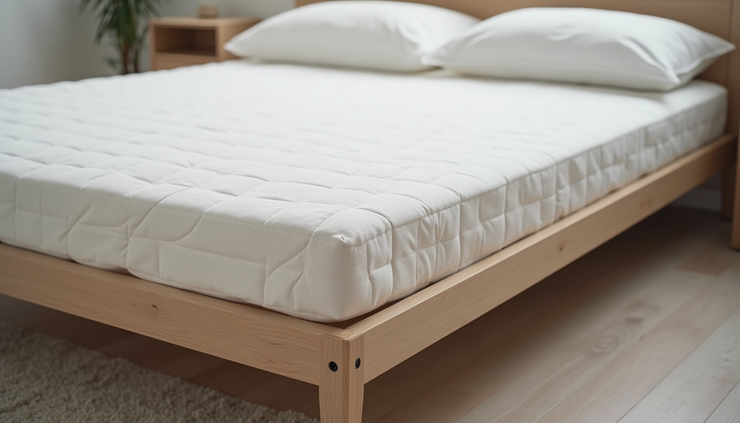
Economical Benefits of Rotating Your Mattress
Replacing a mattress can be a significant expense, often costing hundreds or thousands of dollars. Rotating your mattress regularly delays this cost by preserving its structure and comfort.
Delays replacement: A mattress that is rotated lasts longer, sometimes by several years.
Reduces back pain costs: Better support can reduce the risk of back pain, potentially lowering medical or therapy expenses.
Maintains warranty validity: Some mattress warranties require regular rotation to remain valid, protecting your investment.
For example, a study by the National Sleep Foundation found that rotating a mattress every three to six months can extend its life by up to 50%. This means a mattress that might last 6 years could last 9 years with proper care.
Tips for Making Mattress Rotation a Habit
Set a reminder on your phone or calendar every 3 to 6 months.
Combine mattress rotation with seasonal cleaning routines.
Use mattress protectors to keep the surface clean and fresh.
If you have a memory foam or latex mattress, follow manufacturer guidelines carefully.
By making mattress rotation part of your routine, you improve your sleep environment without much extra effort.


